Industry Internship
Redesign
Travel & Booking
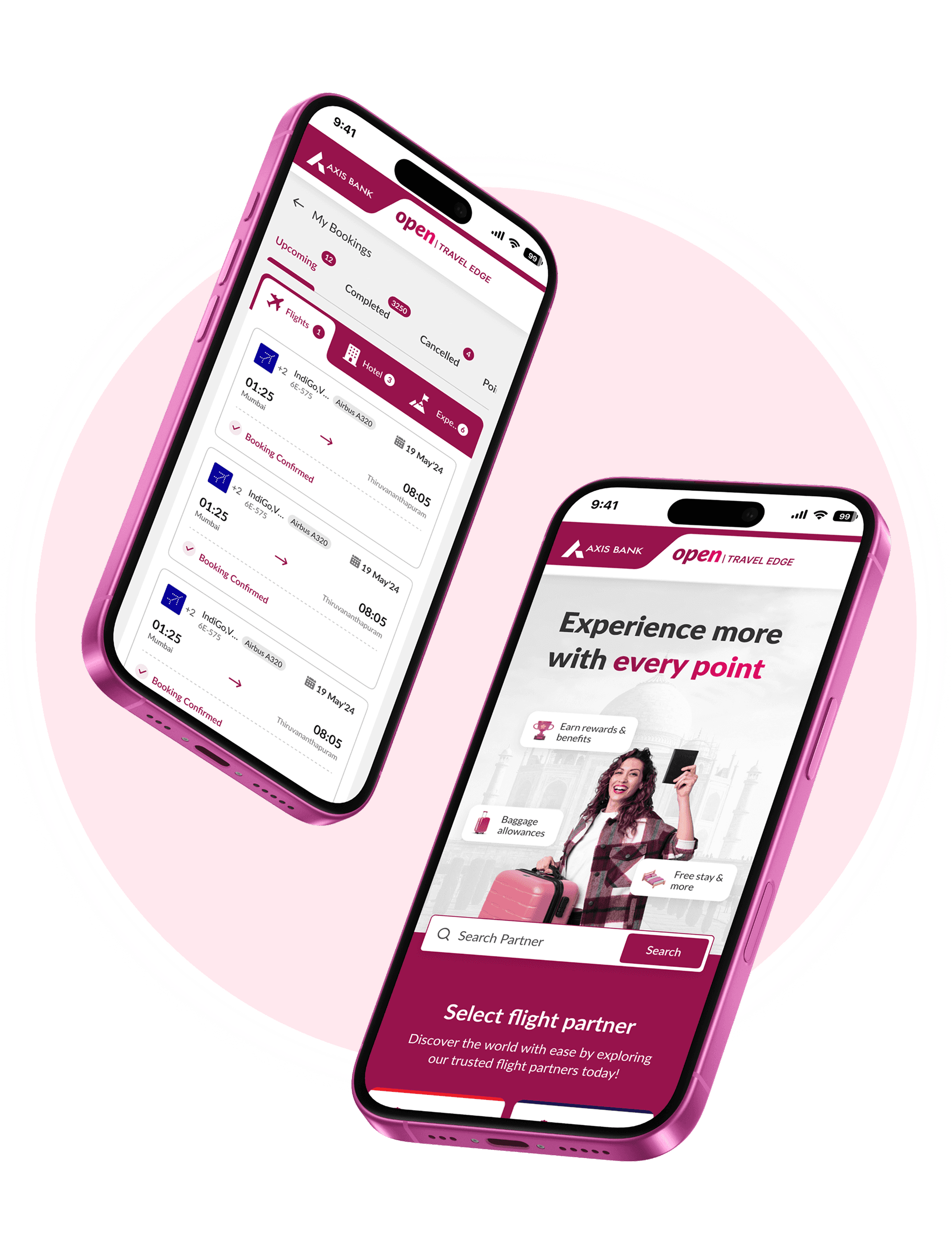
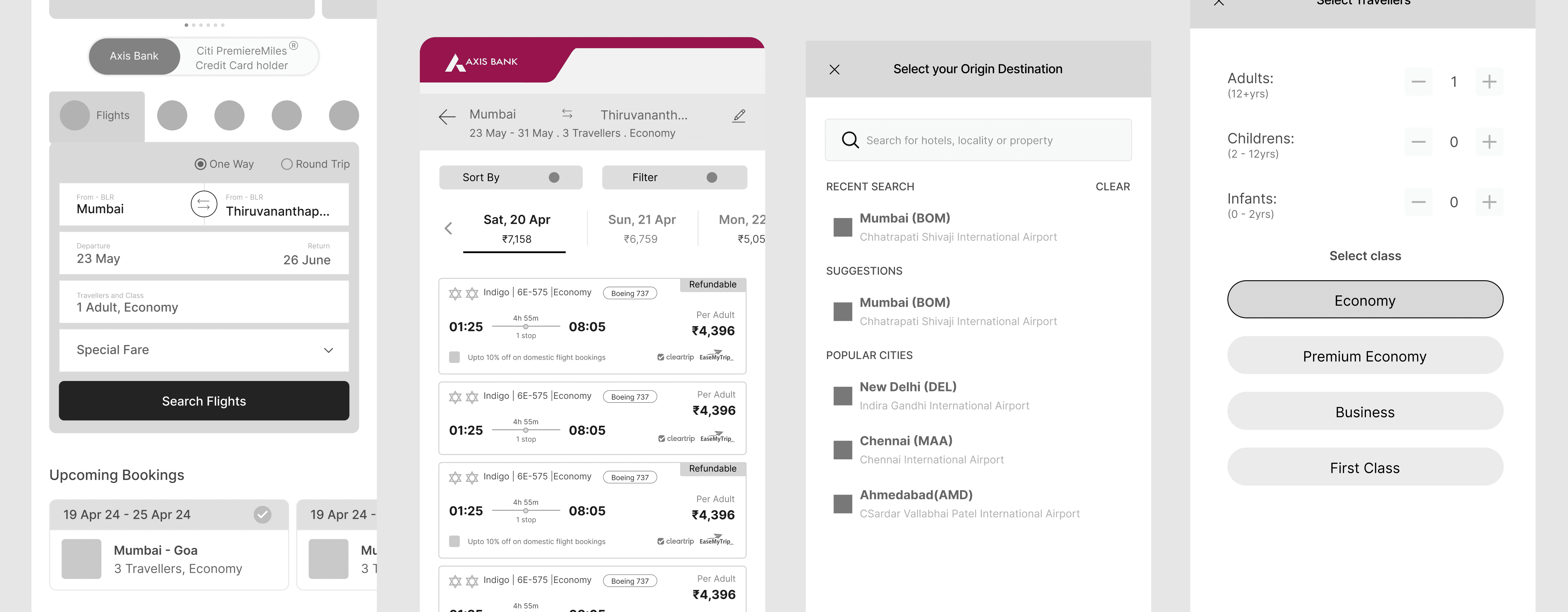
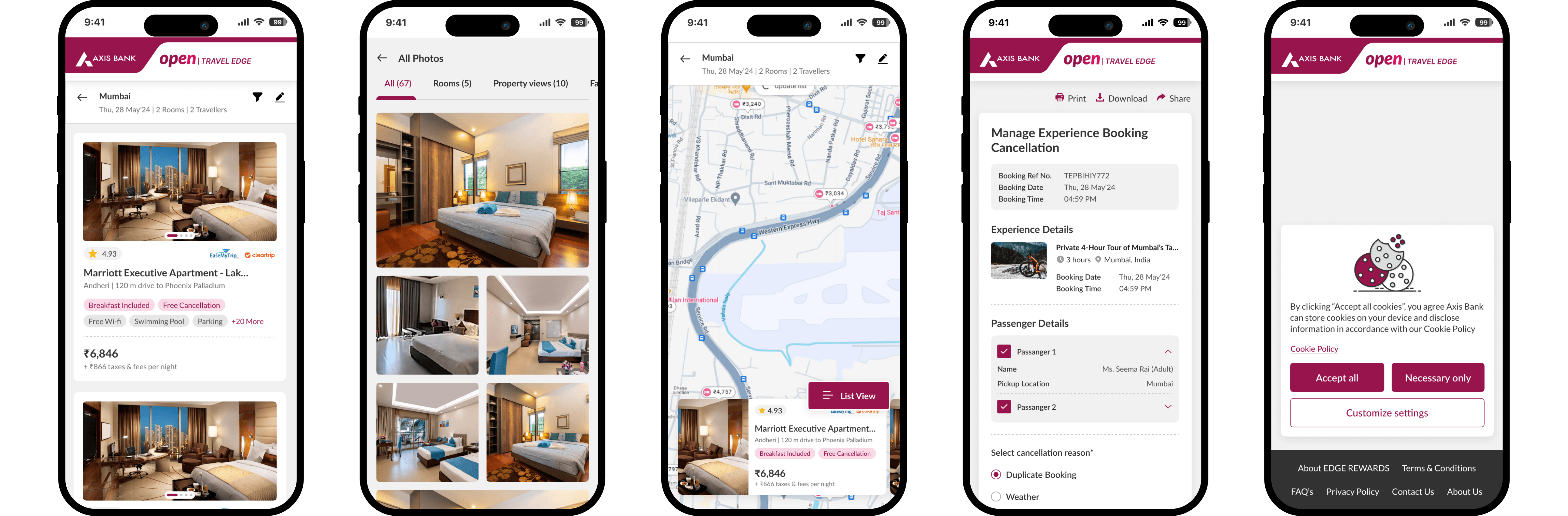
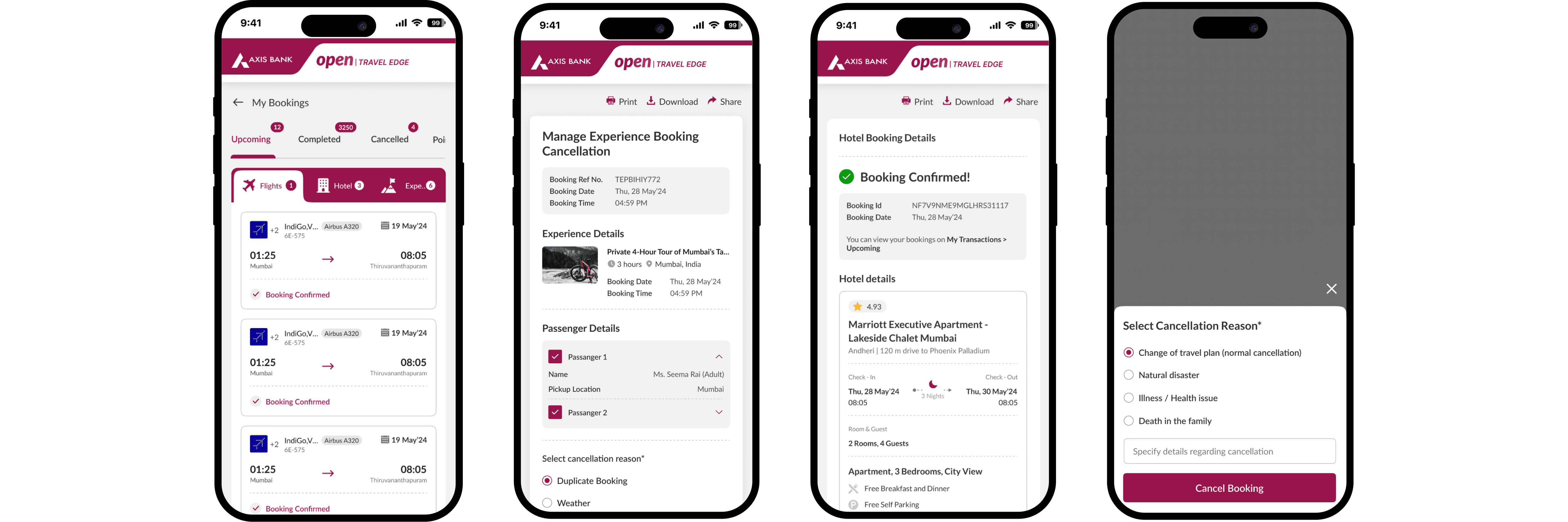
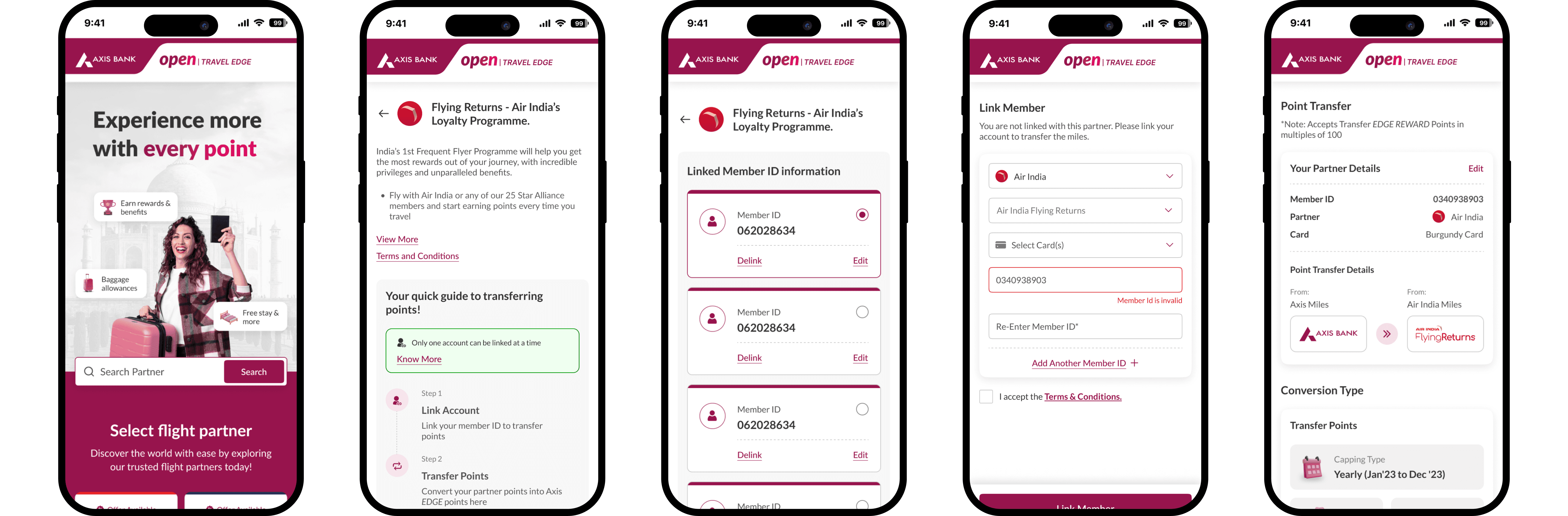
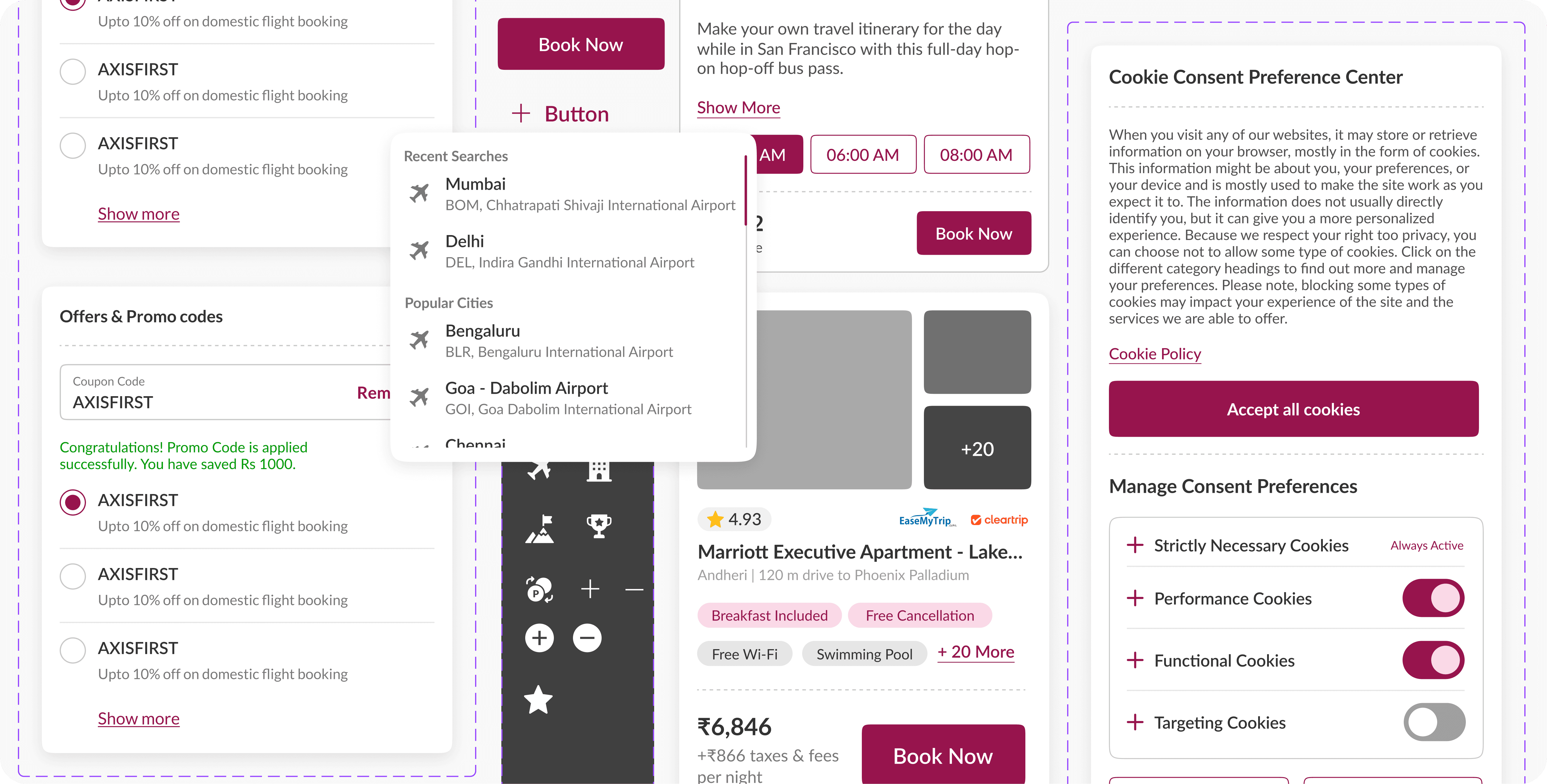
A mobile & desktop UX transformation of the Axis Bank travel portal, resolving critical layout friction and "scroll fatigue" to achieve an 76.39% mobile user share.
Axis Bank Travel Edge is a rewards program that offers exclusive benefits to Axis Bank credit cardholders, including reward points, discounts, and special deals on travel bookings like flights, hotels, and vacation packages.
Live Website:
https://traveledge.axis.bank.in/

Business Goals
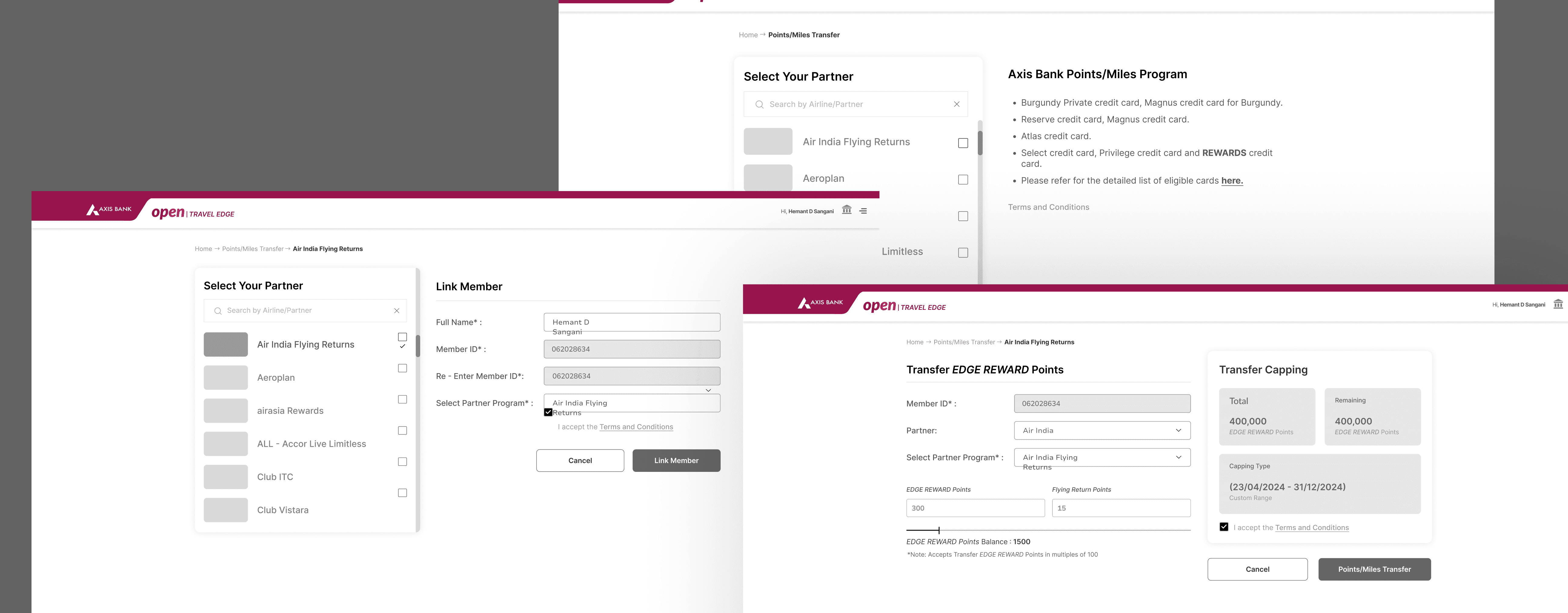
Usage of Points/Miles Transfer
Reducing bounce rate
Increase user engagement
User acquisition & retention
Increase mobile traffic
User Goals
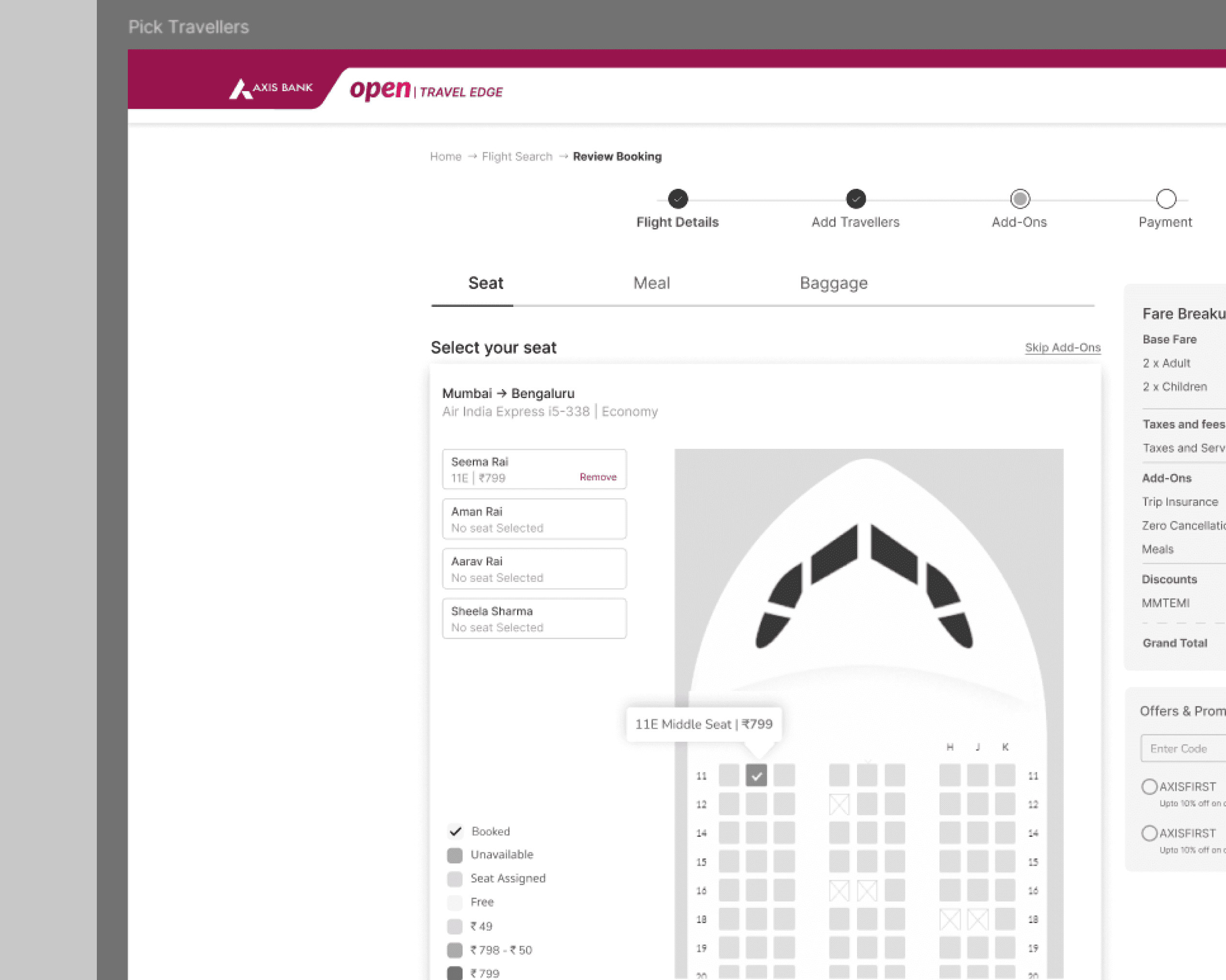
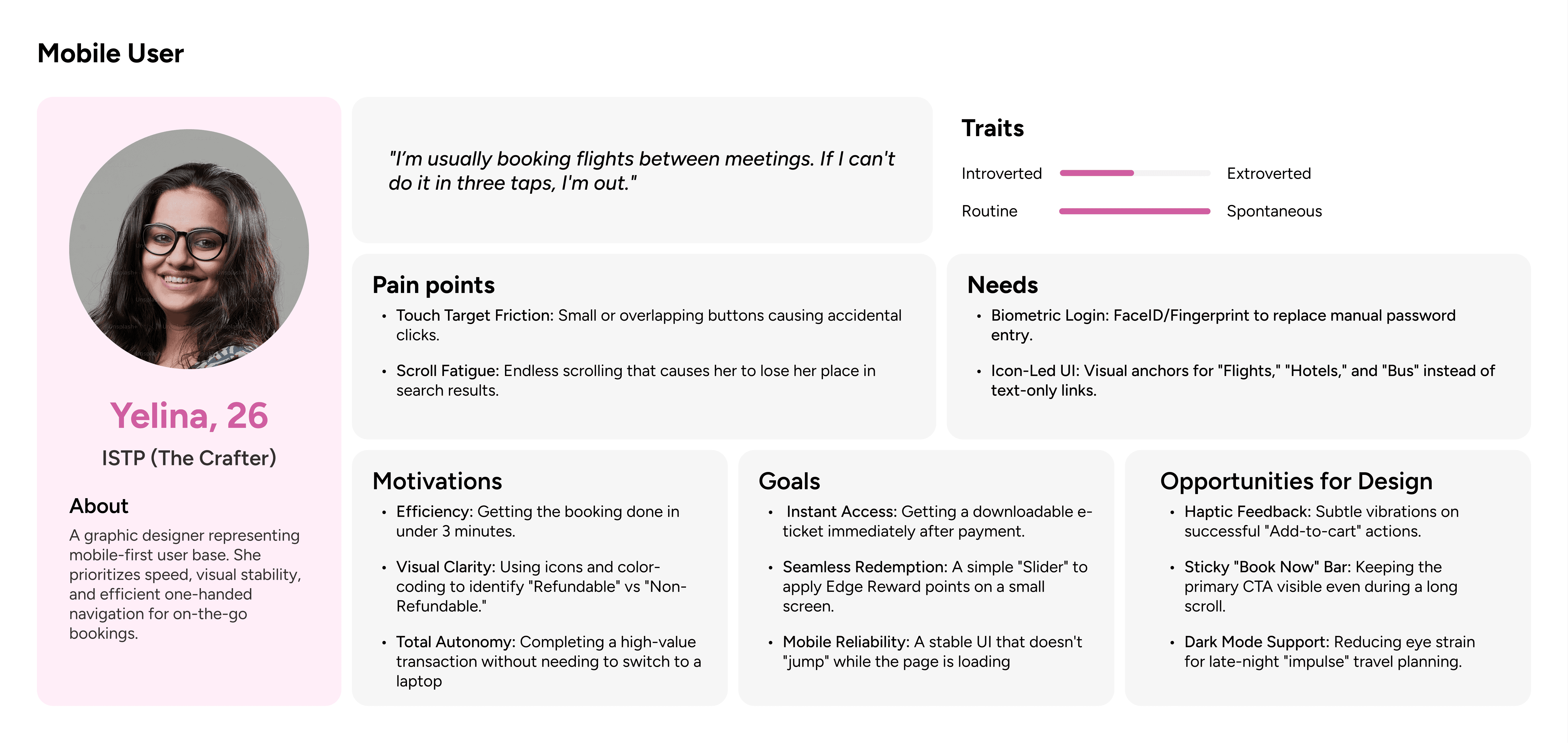
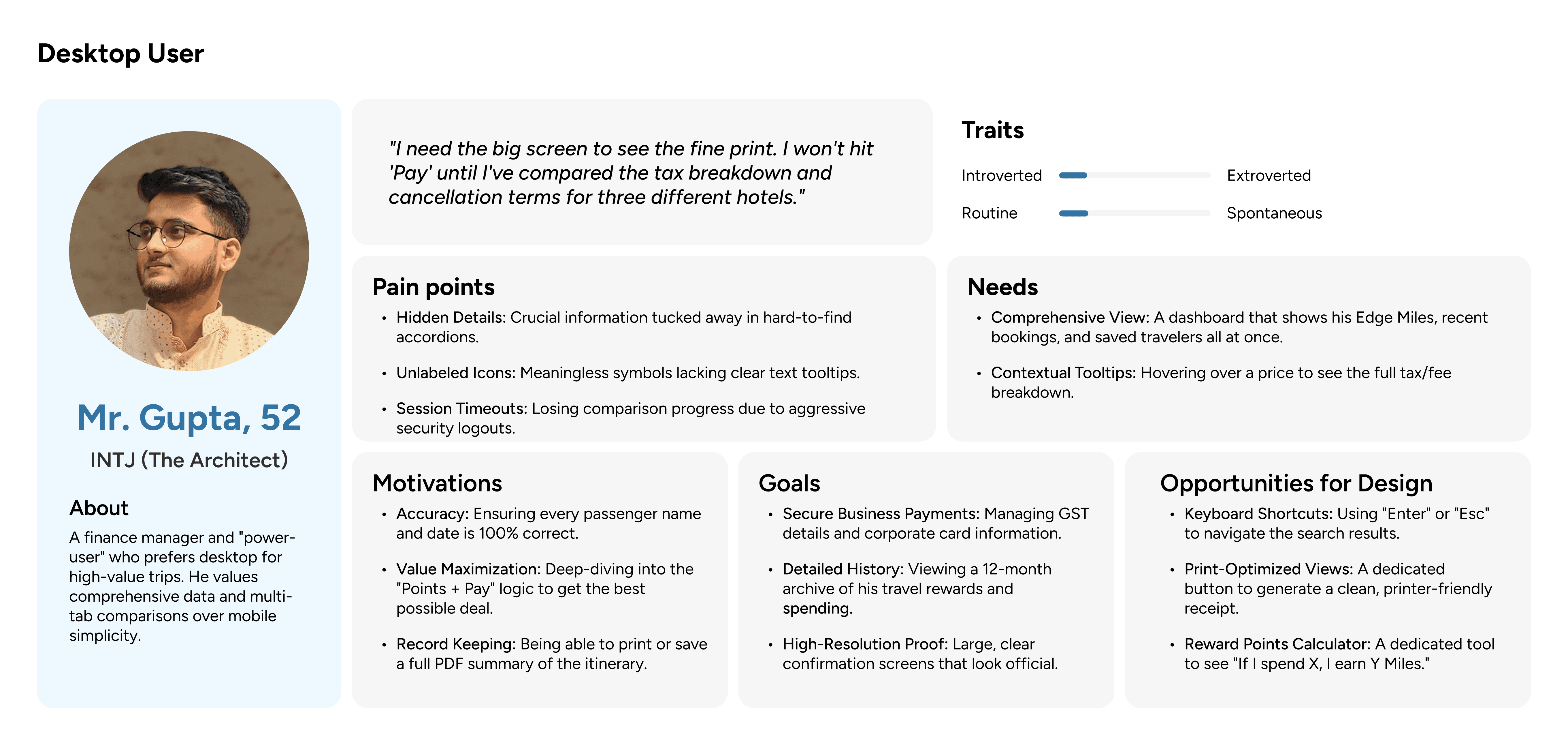
Easy mobile booking
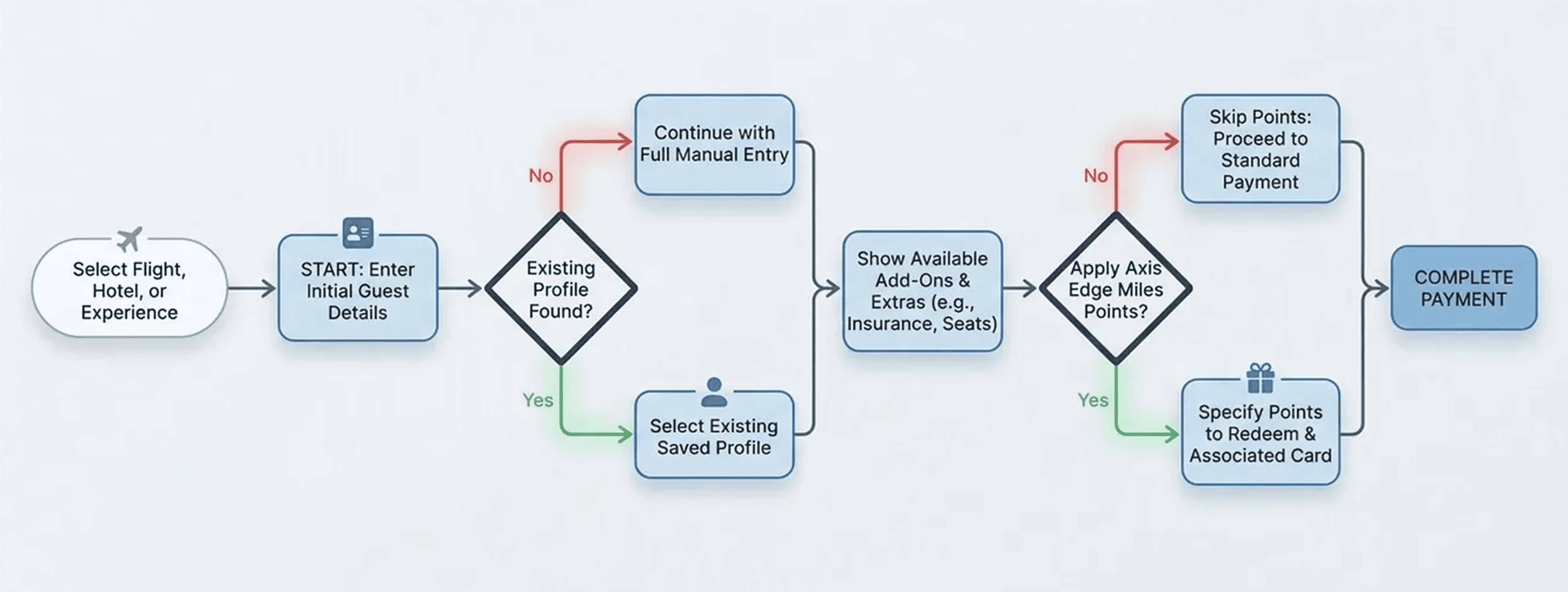
Points/Miles Process clarity
Security and Privacy
Visibility of System Status

76.39%
Mobile Web
23.61%
Desktop
" height="7.680009999999999px" id="rFjsfURHZ" stroke-dasharray="" stroke-linecap="round" stroke-linejoin="round" stroke-width="1.92" stroke="rgb(80, 80, 80)" transform="translate(12.559 6.4)" width="7.6800000000000015px"/><path d="M 17.28 8.64 C 17.28 6.349 16.37 4.151 14.749 2.531 C 13.129 0.91 10.931 0 8.64 0 C 6.348 0 4.151 0.91 2.531 2.531 C 0.91 4.151 0 6.349 0 8.64 Z" fill="rgb(80, 80, 80)" height="8.64px" id="z4WUz17DX" stroke-dasharray="" stroke-linecap="round" stroke-linejoin="round" stroke-width="1.92" stroke="rgb(80, 80, 80)" transform="translate(7.758 16.961)" width="17.27999px"/></svg>)
Total Visits
+5.2%
" height="21.804456866470893px" id="qQNkiWSpI" transform="translate(4.586 4.767)" width="22.83011952533088px"/></svg>)
Unique Visitors
396,193
" height="21.999999618530275px" id="hV99__5li" transform="translate(5 5)" width="22px"/></svg>)
Monthly Visits
3.21
Pages Per Visit
45.79%
" transform="translate(4 8.667)" width="22.6667px"/><path d="M 0 0 L 6.667 0 L 6.667 6.667" fill="transparent" height="6.6667000000000005px" id="o4uUWuh7r" stroke-dasharray="" stroke-linecap="round" stroke-linejoin="round" stroke-width="2" stroke="rgb(80, 80, 80)" transform="translate(20 8)" width="6.666699999999999px"/></svg>)
Churn Rate
50.2%
Bounce Rate
-28%
Competitors
We analyzed, looked into and took inspiration from a lot of competitor websites which were usually alternatives, users would reach out to due to frustration.



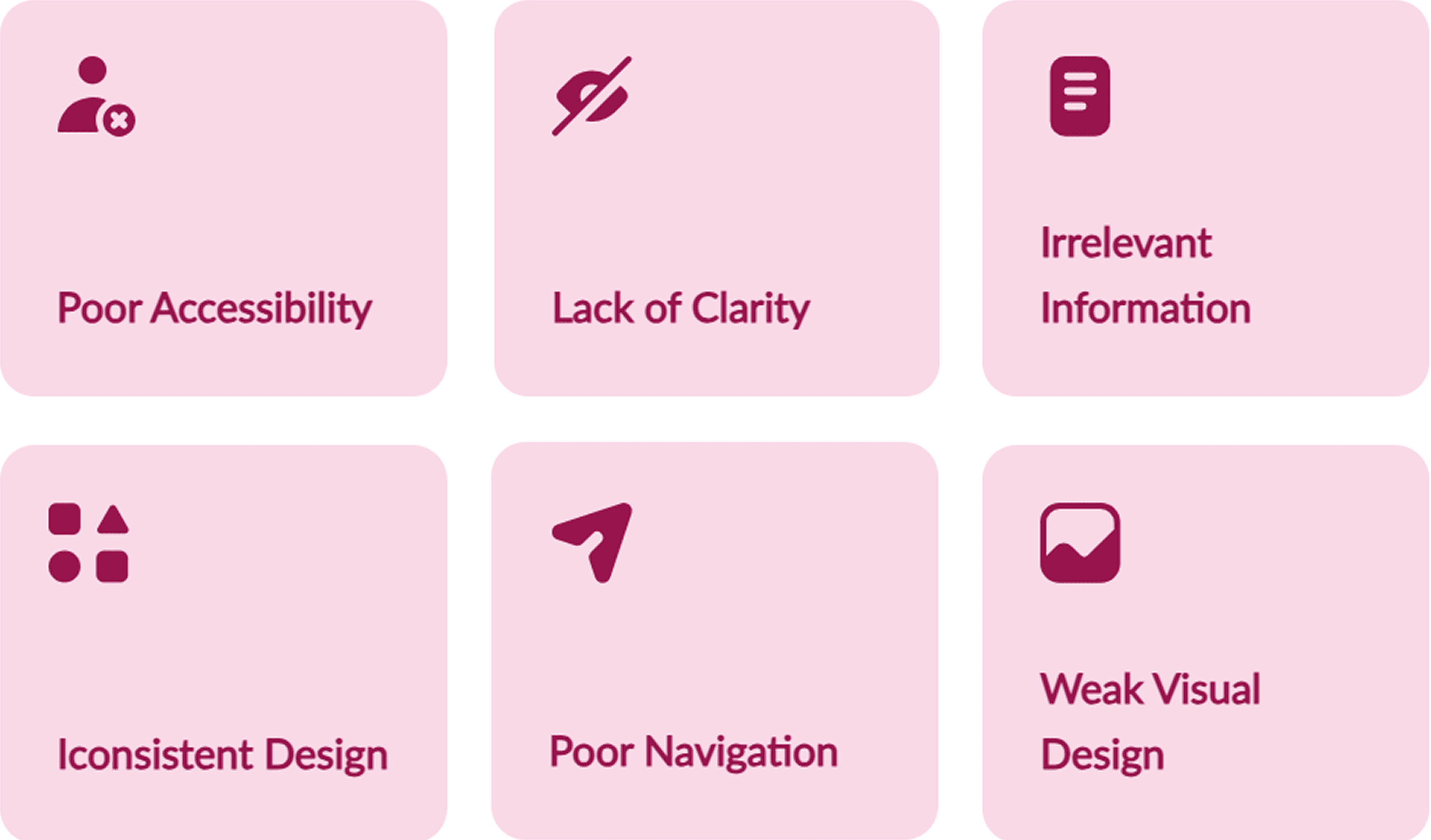
UI & Aesthetics
Consistency and Standards in components and layout
Extra clicks
Visibility of system status
Adaptive design for mobile
Iconography
Navigation
UX writing
Error screens & empty state graphics
Error prevention
What we kept
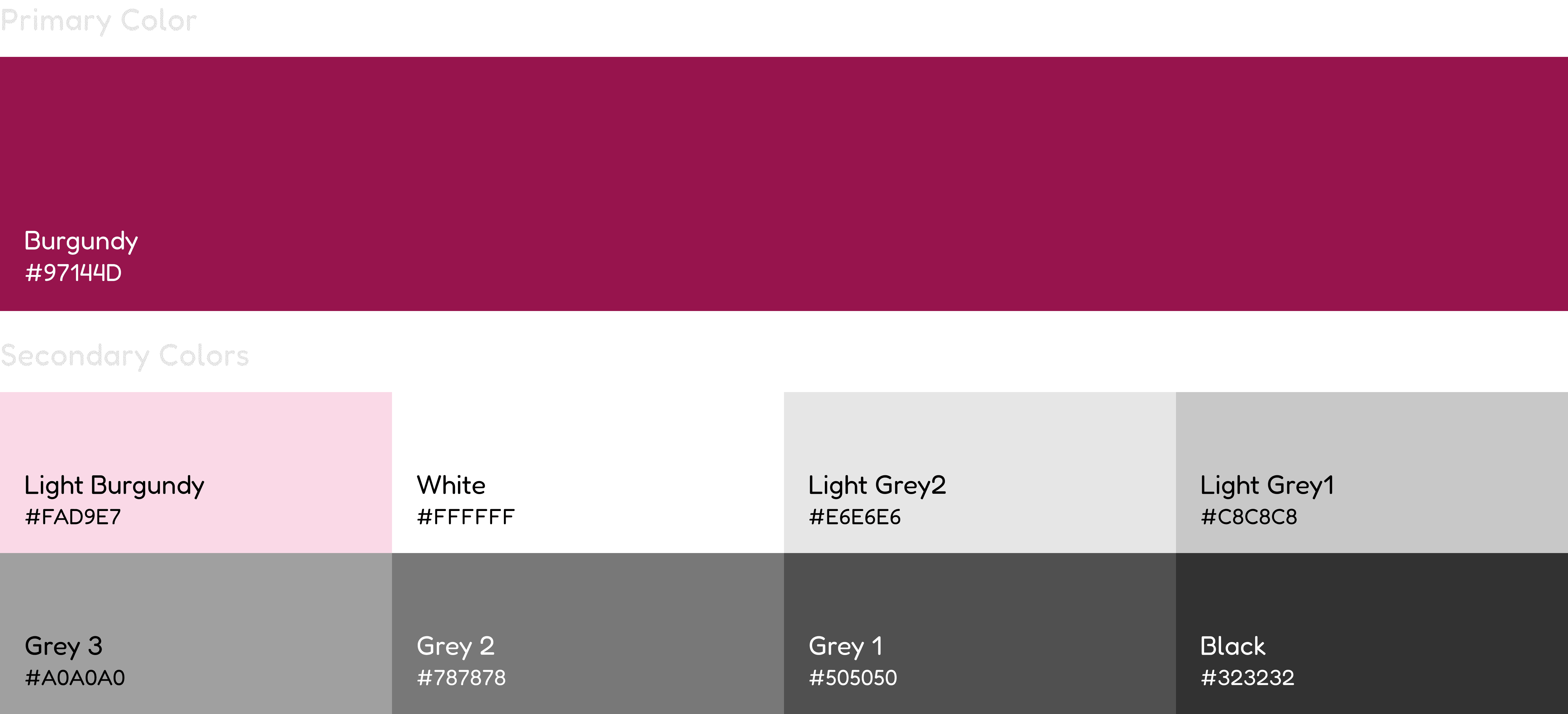
Brand Colors
Task flows
Necessary Information
Breadcrumbs
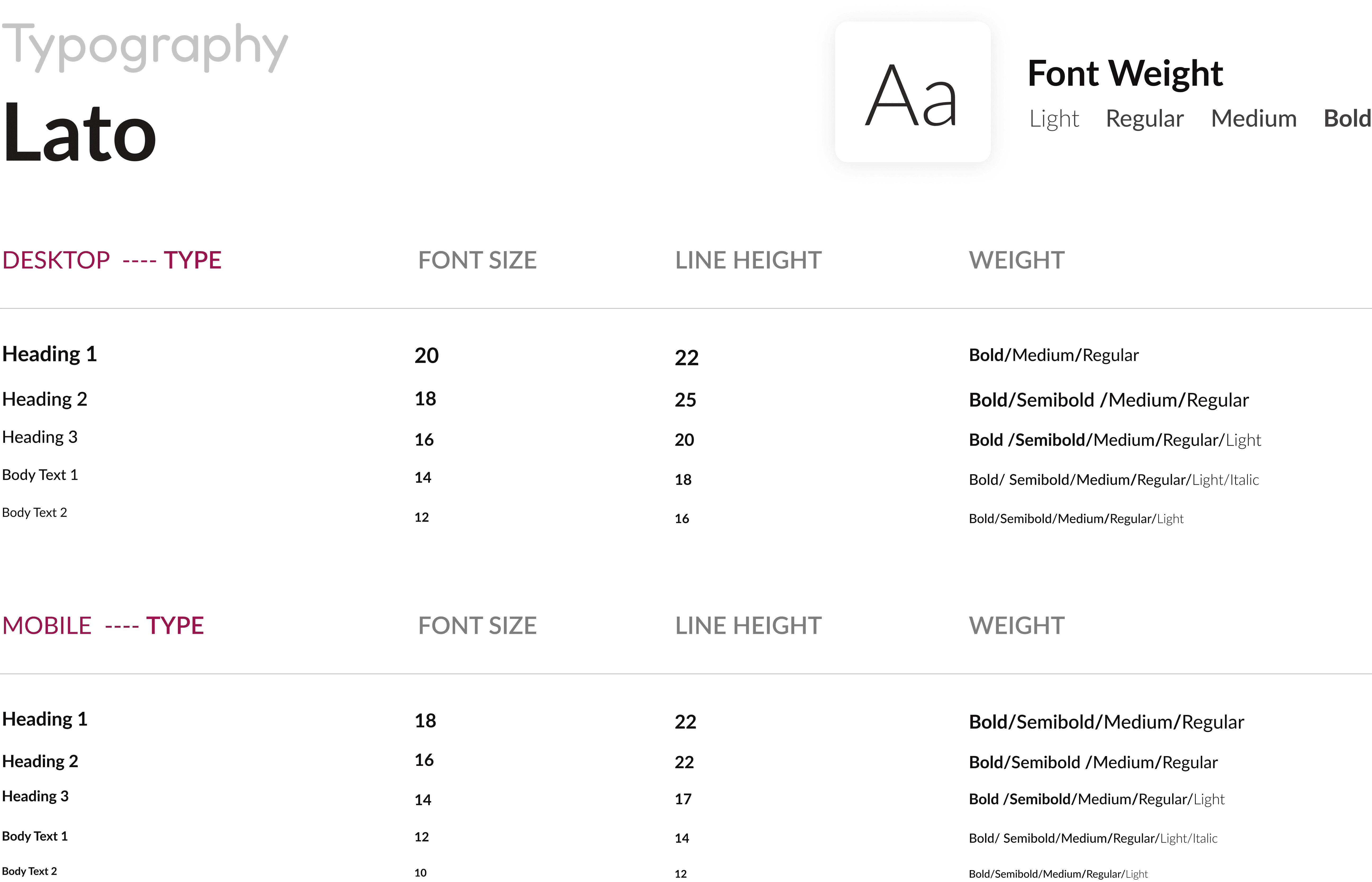
Visual Style